
Taking care of yourself does not always require a full spa day, an expensive product, or hours of free time.
Simple daily self-care routines can help you slow down, reset your thoughts, and create a calmer mindset.
For busy women in the USA, small habits can easily fit into mornings, work breaks, evenings, and weekends.
Self-care can include everything from drinking enough water to taking a quiet walk outside.
The goal is not perfection but creating routines that make you feel more balanced and refreshed.
Even five or ten intentional minutes can make a meaningful difference in how you approach the rest of your day.
These easy self-care ideas are practical enough to repeat regularly without feeling overwhelming.
You can choose a few favorites and gradually turn them into habits that fit your lifestyle.
Whether you work from home, commute to an office, study, or manage a busy household, there is an option here for you.
Try these 21 daily self-care routines to create a calmer, happier, and more intentional mindset.
1. Start Your Morning Without Your Phone

Begin your day by giving yourself a few quiet minutes before checking notifications, emails, or social media.
Keeping your phone away from the bed can make this routine much easier to follow.
Instead, sit comfortably and notice how you feel before allowing outside information into your morning.
You could open your curtains, stretch gently, or simply enjoy a glass of water.
This peaceful beginning can prevent the rushed feeling that often starts when you immediately check your screen.
It also gives your mind time to transition naturally from sleep to your daily responsibilities.
Even fifteen screen-free minutes can create a more intentional morning routine.
If fifteen minutes feels difficult, begin with just five minutes and increase the time gradually.
The goal is to make your morning feel like your own instead of immediately reacting to notifications.
Over time, this simple habit can become one of the easiest ways to start the day with a calmer mindset.
2. Drink a Glass of Water After Waking Up

Hydration is one of the simplest ways to add a healthy habit to your morning.
Keep a clean glass or reusable water bottle beside your kitchen counter so it is easy to remember.
Drinking water soon after waking can help you establish a consistent morning ritual.
You can make the routine more enjoyable by using a favorite glass or adding fresh lemon if you like the flavor.
The important part is creating a simple habit that encourages you to pay attention to your body’s basic needs.
Rather than waiting until you feel extremely thirsty, make hydration part of your regular schedule.
You can also keep a water bottle nearby while working or studying during the day.
Small reminders on your phone can help until the routine becomes automatic.
Pairing water with another morning habit, such as opening the curtains, can make it easier to remember.
This uncomplicated routine can give your morning a refreshing and intentional starting point.
3. Take Five Minutes to Stretch

Gentle stretching can be an easy way to reconnect with your body during a busy day.
You do not need a gym, special equipment, or an advanced fitness routine to get started.
Try simple movements such as shoulder rolls, neck stretches, side stretches, or reaching your arms overhead.
Move slowly and comfortably rather than forcing your body into difficult positions.
Morning stretching can help you feel more awake before starting work or household tasks.
An evening stretching routine can instead help you transition into a quieter part of the day.
You can place a small yoga mat beside your bed or desk as a visual reminder.
Playing calming music can also make the experience feel more enjoyable.
Five minutes is enough to create a small pause between responsibilities.
The most useful routine is the one you can comfortably repeat day after day.
4. Write Down Three Things You Appreciate

A short gratitude practice can encourage you to notice positive moments that might otherwise disappear into a busy schedule.
Keep a small notebook beside your bed or workspace for easy access.
Each day, write down three things you genuinely appreciate.
They can be major experiences or tiny moments such as a good cup of coffee, sunshine, or a meaningful conversation.
There is no need to make your entries sound impressive or poetic.
The value comes from intentionally noticing something positive in your everyday life.
If you have a difficult day, choosing even one small thing can make the practice feel manageable.
You can also revisit previous entries when you need a gentle reminder of positive experiences.
Writing by hand can turn the routine into a peaceful screen-free activity.
With consistency, gratitude journaling can become a calming part of your daily self-care routine.
5. Enjoy a Quiet Morning Beverage

Turning your morning coffee or tea into a mindful ritual can make an ordinary routine feel special.
Instead of drinking it while rushing between tasks, give yourself a few uninterrupted minutes.
Sit somewhere comfortable and pay attention to the aroma, warmth, and flavor of your drink.
You can open a window, sit on a porch, or choose a peaceful corner of your home.
This practice does not require changing your favorite beverage or buying expensive equipment.
It simply encourages you to slow down while doing something you already enjoy.
Keeping your favorite mug ready can make the routine feel more intentional.
You can pair this moment with reading a few pages of a book or listening to quiet music.
Try avoiding work emails during these few minutes so the routine remains genuinely restorative.
A simple beverage can become a daily reminder that you deserve small moments of peace.
6. Take a Short Outdoor Walk

A short walk can give you a valuable break from screens, work, and indoor responsibilities.
You do not need to walk for an hour to make the habit worthwhile.
Even a ten-to-twenty-minute stroll around your neighborhood can create a refreshing change of scenery.
Choose a comfortable pace that allows you to enjoy your surroundings without turning the walk into a stressful workout.
Pay attention to trees, buildings, weather, sounds, and other details around you.
If you work at a desk, an afternoon walk can provide a useful reset between tasks.
You can walk alone or invite a friend or family member when social connection feels helpful.
Comfortable shoes and weather-appropriate clothing make the routine easier to maintain throughout the year.
Leave your phone in your pocket whenever possible so you can stay present.
A regular outdoor walk can become a simple daily ritual for clearing your mind.
7. Make Your Bed Every Morning

Making your bed takes only a few minutes but can create a sense of order at the beginning of the day.
Start by straightening the sheets, arranging the pillows, and pulling the comforter neatly into place.
You do not need a perfectly styled bedroom to benefit from the routine.
The simple act of completing one small task can give your morning a feeling of structure.
A tidy bed can also make your bedroom feel more peaceful when you return later.
Keep the process simple enough that it does not become another stressful obligation.
You can use neutral bedding and a few comfortable pillows if you enjoy a cozy appearance.
If mornings are rushed, focus on the basic steps rather than creating a magazine-perfect bed.
The purpose is to create a small moment of completion rather than perfection.
This easy habit can help your personal space feel calmer throughout the day.
8. Spend Ten Minutes Decluttering

A cluttered environment can make everyday tasks feel more overwhelming.
Instead of attempting a complete home organization project, choose one small area each day.
You might clear your desk, organize a bathroom drawer, or put away items in your living room.
Set a timer for ten minutes and stop when the timer ends.
This prevents the routine from turning into an exhausting cleaning session.
Focus on returning items to their proper places rather than trying to reorganize everything.
You can also keep a small basket nearby for objects that belong in different rooms.
The visible improvement can make your space feel more comfortable almost immediately.
Doing a little each day can prevent clutter from becoming an overwhelming weekend project.
A calmer environment can make your daily routine feel simpler and more manageable.
9. Practice Deep Breathing

Deep breathing can create a short pause when your day starts feeling rushed or overwhelming.
Find a comfortable chair or quiet spot where you can sit without distractions.
Relax your shoulders and take slow, comfortable breaths.
Focus your attention on the sensation of breathing rather than everything happening around you.
You can practice for just two to five minutes whenever you need a reset.
Some people prefer to use a simple breathing timer or calming audio as a reminder.
There is no need to make the practice complicated or perform it perfectly.
The important part is intentionally creating a moment of stillness.
You can use the routine before work, during a stressful afternoon, or before bedtime.
Making space for a few calm breaths can become an accessible part of everyday self-care.
10. Eat One Meal Without Screens

Mealtimes can become more relaxing when you remove phones, television, and work notifications.
Choose one meal each day where you intentionally sit at a table without a screen.
Pay attention to the colors, textures, smells, and flavors of your food.
Eat at a comfortable pace instead of rushing through the meal.
If you normally eat while working, this routine can create a much-needed mental separation.
You can make the experience more enjoyable by setting the table simply and using a favorite plate.
If you live with others, use the meal as an opportunity for conversation.
If you eat alone, enjoy music or simply allow yourself to sit quietly.
The goal is not to create a perfect dining experience but to become more present.
One screen-free meal each day can turn an ordinary necessity into a mindful self-care moment.
11. Read a Few Pages of a Book

Reading can provide a welcome break from constant digital stimulation.
Choose a book that genuinely interests you instead of something you feel obligated to finish.
Even five or ten pages can give your attention a chance to settle.
Create a comfortable reading spot with a chair, blanket, or supportive pillow.
If possible, keep your phone outside the immediate area to reduce distractions.
Reading before bed can also become a relaxing alternative to scrolling.
You can keep a book on your nightstand so it is always easy to reach.
Do not worry about how quickly you finish the book.
The goal is to enjoy a few quiet minutes rather than turn reading into another productivity goal.
A consistent reading ritual can add a peaceful pause to your daily routine.
12. Give Yourself a Screen-Free Evening

Creating a short screen-free period before bed can make your evening feel less rushed.
Choose a realistic time when you will stop checking social media, emails, and unnecessary notifications.
Use that time for activities that feel calming, such as reading, journaling, stretching, or preparing for tomorrow.
Keep your phone charging away from your bed if that helps you avoid checking it.
You can also lower the brightness of your home and use softer lighting to create a relaxed atmosphere.
The routine should feel enjoyable rather than restrictive.
If an entire evening feels impossible, begin with thirty minutes.
Consistency matters more than creating a strict routine immediately.
Over time, your screen-free period can become a signal that your busy day is winding down.
This simple boundary can help create a more peaceful transition into nighttime.
13. Write a Simple To-Do List

A short to-do list can help move tasks out of your head and onto paper.
Instead of listing everything you could possibly accomplish, choose a few realistic priorities.
Start with the most important task and then add smaller tasks that can fit around it.
Keep the list short enough that completing it feels achievable.
You can write the list in a notebook, planner, or simple digital app.
Crossing off completed tasks can provide a small sense of progress.
Avoid treating unfinished items as a personal failure.
Unexpected responsibilities can change your plans, and that is completely normal.
The purpose of a to-do list is to create clarity rather than pressure.
A simple plan can help your day feel more organized and mentally manageable.
14. Spend Time in Natural Light
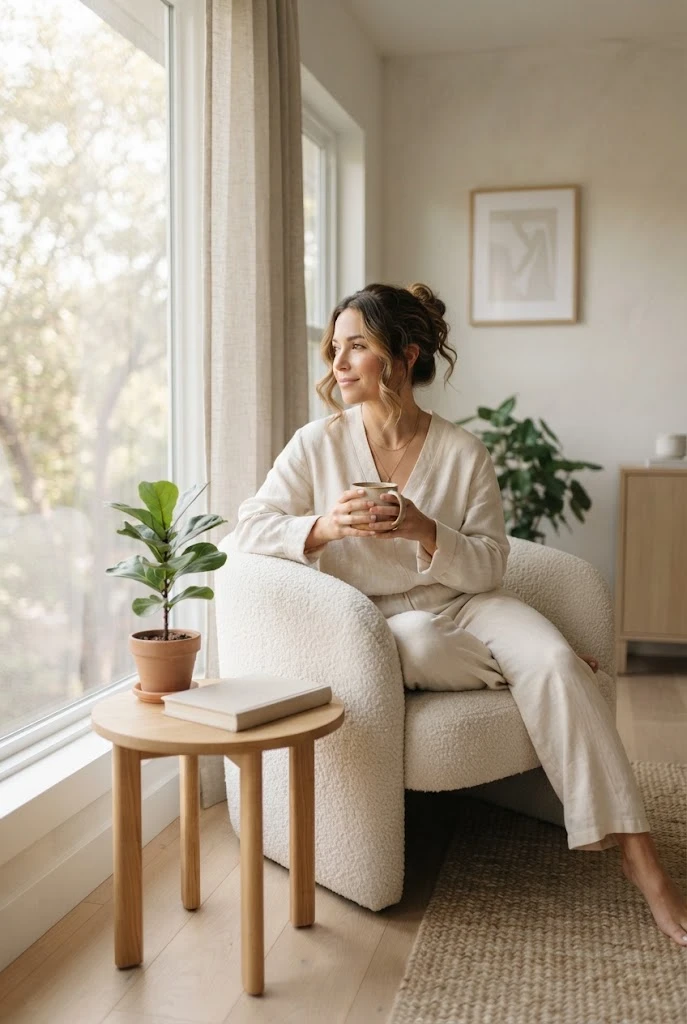
Natural light can make your home feel brighter and more inviting during the day.
Open your curtains or blinds when you wake up and let daylight into your space.
You can sit near a window while drinking coffee, reading, or working.
If your schedule allows, step outside for a few minutes and enjoy the daylight.
This can become a pleasant cue that separates daytime activities from evening routines.
Choose a comfortable spot where you can relax rather than simply standing near the window.
Adding a small plant or comfortable chair can make the area more inviting.
You do not need a dramatic view to enjoy the simple experience of natural light.
Even an ordinary sunny morning can become a small moment of appreciation.
Making daylight part of your routine can help your home feel more connected to the outdoors.
15. Take a Warm Shower or Bath

A warm shower or bath can turn an ordinary hygiene routine into a relaxing evening ritual.
Give yourself enough time to slow down instead of rushing through every step.
Use a favorite body wash, clean towel, or comfortable robe to make the routine feel more enjoyable.
Dim lighting can also create a softer atmosphere if that feels comfortable.
Some people enjoy quiet music while others prefer complete silence.
You can follow the shower with moisturizing lotion and comfortable pajamas.
Keep the routine simple so it does not require a long list of products.
The purpose is to create a transition between your busy day and your personal downtime.
You can treat those few minutes as uninterrupted time to reset.
A consistent evening shower ritual can become one of the easiest forms of everyday self-care.
16. Listen to Calming Music

Music can quickly change the atmosphere of an ordinary room.
Create a short playlist filled with songs that make you feel relaxed, positive, or comfortable.
Play it while making breakfast, cleaning, stretching, or preparing for bed.
You do not need special speakers or expensive headphones to enjoy the routine.
Choose music that matches the mood you want rather than simply following trends.
Instrumental music can work well when you want background relaxation.
Upbeat songs can be useful when you need a little energy during a slow afternoon.
Try giving yourself a few minutes where you simply listen instead of multitasking.
Let the music become a small break from constant notifications and responsibilities.
A favorite playlist can easily become a comforting part of your daily routine.
17. Prepare Something Healthy for Yourself

Preparing a simple nutritious meal can be an enjoyable form of self-care.
Choose recipes that fit your schedule instead of complicated meals that create extra stress.
Fresh vegetables, grains, lean proteins, fruit, and other favorite ingredients can make a satisfying meal.
Cooking also gives you an opportunity to step away from screens and focus on a hands-on activity.
You can prepare ingredients ahead of time to make busy weekdays easier.
Try playing music while you cook if it makes the process more enjoyable.
Keep your kitchen organized so preparing food feels manageable.
Remember that self-care does not require following a perfect diet.
The goal is to nourish yourself in a way that feels practical and enjoyable.
Making one simple meal for yourself each day can become a meaningful act of care.
18. Spend Five Minutes Outside

You do not need a long outdoor adventure to benefit from a little fresh air.
Step onto your porch, balcony, backyard, or nearby outdoor space for a few quiet minutes.
Leave your phone inside when possible so the break feels genuinely separate from your usual routine.
Notice the temperature, breeze, sounds, and colors around you.
You can sit with a beverage, stretch gently, or simply stand and breathe.
This tiny ritual can be especially helpful when you have spent many hours indoors.
Try doing it around the same time each day so it becomes automatic.
Bad weather does not always mean the routine has to disappear; you can adapt it to a covered outdoor space.
The goal is simply to give yourself a change of environment.
Five quiet minutes outdoors can provide a refreshing pause during even the busiest day.
19. Set a Small Boundary With Your Time

Self-care also means recognizing when you need to protect your personal time.
Choose one small boundary that makes your daily schedule feel more manageable.
For example, you might stop checking work messages after a certain hour.
You could also decide not to automatically accept every social invitation or request.
A healthy boundary does not need to be dramatic or uncomfortable.
It can simply communicate what you realistically have time and energy to handle.
Write down the boundary so you can remember it when the situation comes up.
Give yourself permission to prioritize rest without feeling guilty.
The goal is to create space for important responsibilities while still respecting your own needs.
Small boundaries can make daily life feel more intentional and less overwhelming.
20. Do Something You Enjoy Just for Fun

Not every activity needs to be productive to deserve a place in your day.
Choose something that makes you happy simply because you enjoy it.
You might draw, bake, garden, dance, knit, play an instrument, or watch a favorite lighthearted show.
The activity does not need to produce anything valuable or impressive.
Allow yourself to enjoy the process without turning it into another goal.
Even fifteen minutes can be enough to reconnect with an interest you have neglected.
Keep your favorite hobby supplies somewhere easy to access.
You can schedule fun time just as intentionally as you schedule work or errands.
Doing something purely enjoyable can create a refreshing mental break.
Remember that rest and recreation are important parts of a balanced everyday life.
21. End Your Day With a Simple Reflection

A short evening reflection can help you mentally close the day before going to sleep.
Sit somewhere comfortable and think about what went well during the day.
You can also acknowledge something that felt difficult without judging yourself for it.
Write down one thing you accomplished, one thing you appreciated, and one thing you want to improve tomorrow.
Keep the process short so it does not become another demanding task.
This practice can help separate today’s experiences from tomorrow’s responsibilities.
You can use a notebook, journal, or a few quiet minutes without writing anything.
There is no need to solve every problem before going to bed.
Sometimes simply recognizing that the day is finished can create a sense of closure.
Ending with a gentle reflection can make your nighttime routine feel calmer and more intentional.
Final Thoughts
Self-care does not have to be complicated, expensive, or time-consuming.
The best routines are usually the ones that fit naturally into your existing lifestyle.
You can start with one or two habits and gradually add more as they become comfortable.
A short walk, screen-free meal, gratitude note, or quiet cup of coffee can become a meaningful daily ritual.
The purpose is not to create another perfect checklist that makes you feel pressured.
Instead, use these ideas as simple ways to give yourself more attention throughout the day.
Some routines may work better in the morning, while others may feel more natural at night.
Experiment with different habits and keep the ones that genuinely make you feel better and more balanced.
Small moments of care can add up to a more peaceful and intentional everyday lifestyle.
Most importantly, remember that self-care is about creating sustainable moments of kindness toward yourself.